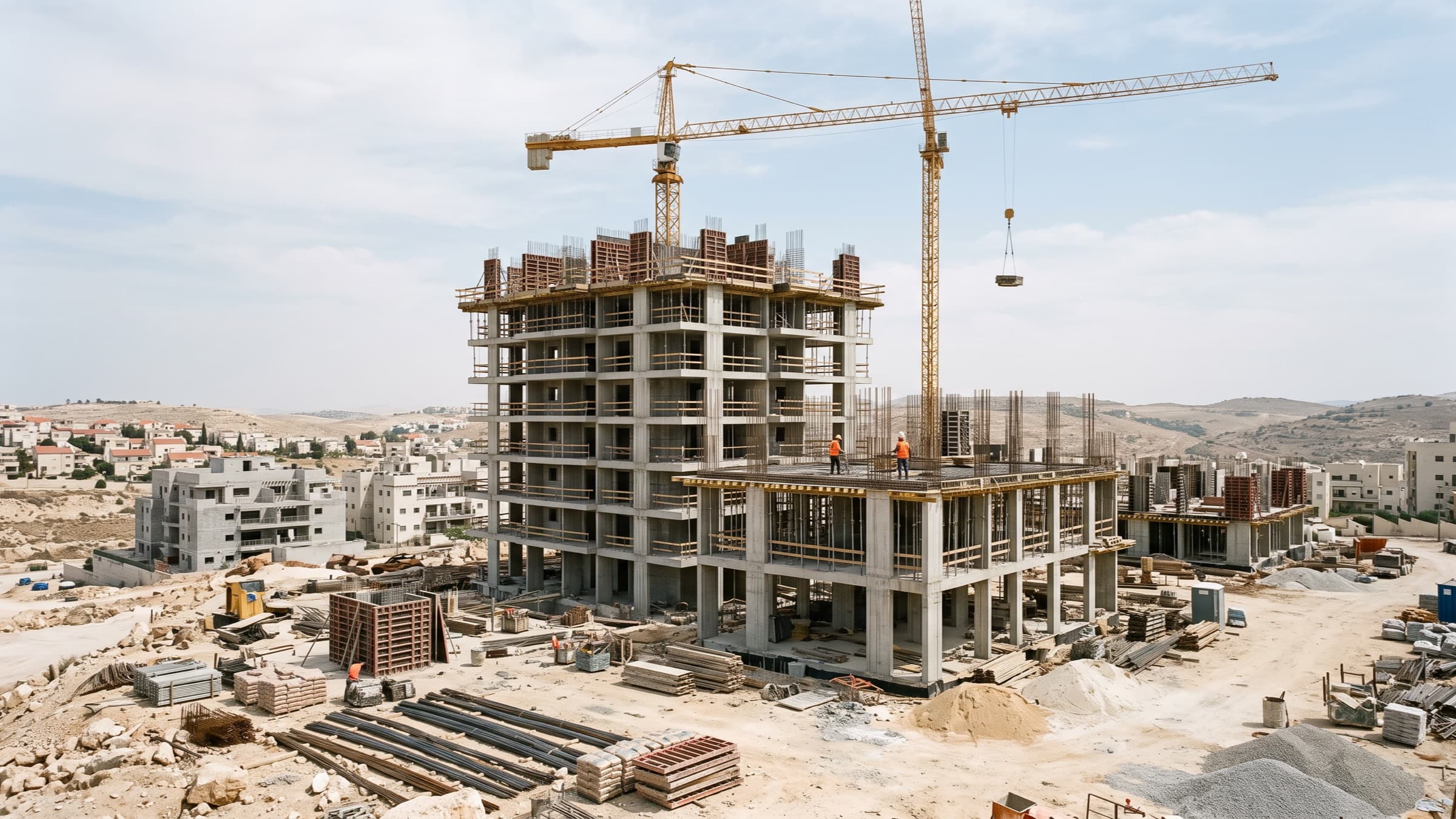
Buying off-plan means buying a description of something that does not yet exist, from a company you are trusting to build it. Almost every problem that arises later is visible in the documents at the point of purchase — but only if you read them as a specification rather than as a brochure.
The developer’s record
Start here, because it predicts more than anything else. Ask what the company has completed, not what it has planned. Then go and look at one of the completed buildings: walk the common areas, look at how the facade has aged, and if you can, speak to a resident about the handover process and the snagging.
- How many projects has the developer delivered, and over how long?
- Were the last two delivered on the programme that was originally advertised?
- What does the four-year-old building look like now, particularly its common areas?
- Is the contractor the developer’s own or subcontracted, and what is that contractor’s record?
Read the specification document properly
The mifrat techni is the contractual description of what you are actually buying, and it is the document that matters. Marketing renders are not contractual; the specification is. Read it for what it does not say as much as for what it does — unspecified items get specified later, by somebody else, to a standard that is not yours.
Renders are not contractual. The specification document is the property.
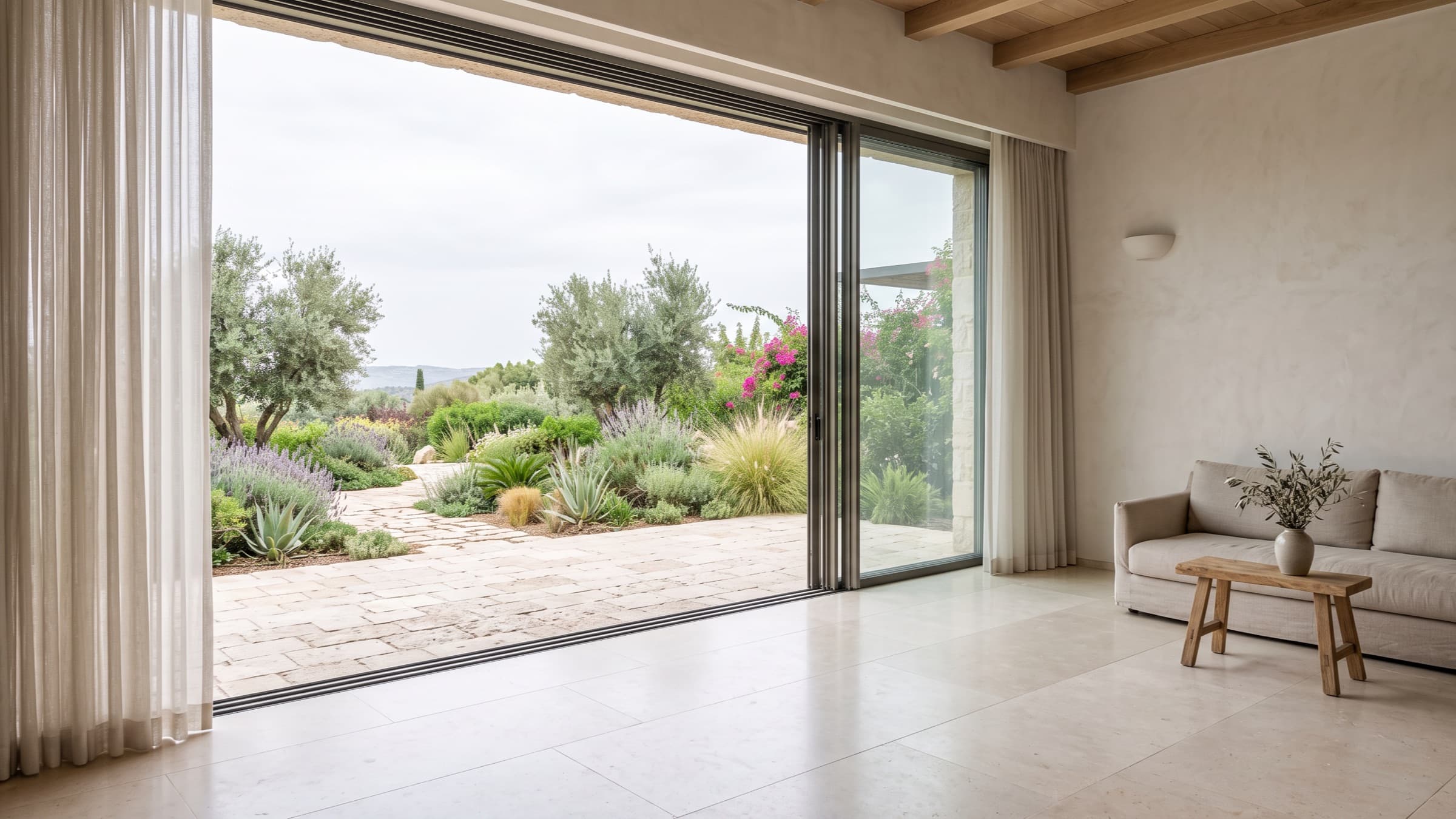
Pay particular attention to ceiling heights, the glazing system and its acoustic rating, whether air conditioning is installed or merely provided for, the finish allowances for kitchens and bathrooms, and exactly what the balcony area includes. Where an allowance is given rather than a product, establish what that allowance actually buys at current prices.
Protections worth negotiating for
- Bank guarantees under the Sale Law for every payment made — non-negotiable, and confirm they are actually issued.
- A defined delivery date with a stated compensation mechanism for delay, rather than a target date with no consequence.
- A clear snagging and bedek period, with a named process for reporting and resolving defects.
- Restrictions on the developer’s ability to substitute specified materials for “equivalent” ones without your consent.
- Clarity on which costs are excluded from the headline price: registration, betterment levy, connection fees and the developer’s legal charge.
The things that only show up later
Ask what the projected service charge is and how it was calculated. Ask which outlooks are protected by existing planning consents and which are not — a view over a low neighbouring plot is a view until that plot is developed. Ask when full Tabu registration is expected, because in newer buildings it frequently lags handover by years.
None of this is a reason to avoid buying off-plan. New stock offers specification, efficiency and payment terms that resale rarely matches. It simply rewards reading the documents with the same seriousness you would bring to viewing a finished house.
Filed under
- New developments
- Off-plan
- Due diligence