Buyers arriving in Tel Aviv for the first time tend to ask a version of the same question: which is the best neighbourhood? It is a reasonable question and an unanswerable one, because the city does not work that way. Tel Aviv contains at least six residential markets that happen to share a municipality. They have different buyers, different supply dynamics and different sensitivities to interest rates and to sentiment. A price per square metre that looks like a bargain in one is a considerable premium in another.
What follows is a working description of how the most sought-after districts actually behave, based on the transactions we see rather than on published averages.
Neve Tzedek and the conservation lanes
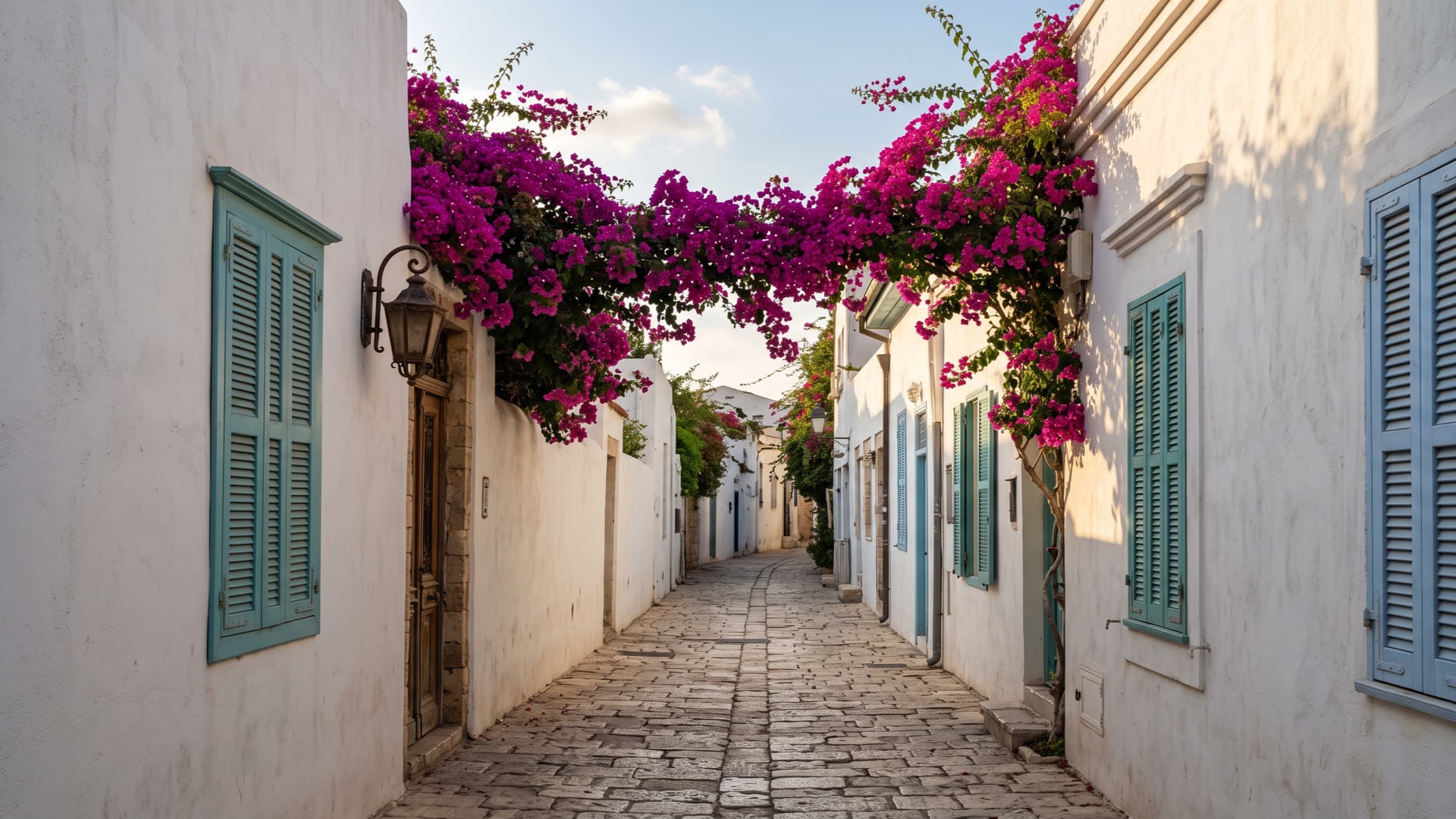
Neve Tzedek is the oldest neighbourhood in the city, built from 1887, and it is effectively built out. Almost every structure is protected, heights are capped, and the lanes cannot be widened. Supply is therefore fixed in a way that is unusual anywhere in Israel: no new stock will be added, and the existing stock changes hands slowly.
The practical consequence is that Neve Tzedek is the least cyclical part of Tel Aviv. When the wider market softens, transaction volumes here fall but pricing holds, because owners with no financing pressure simply withdraw rather than accept a discount. When the market runs, pricing moves quickly because there is nothing to buy. Restored houses trade in a narrow band and unrestored ones are rare enough that each sale sets its own comparable.
Lev Ha'ir and the Rothschild axis
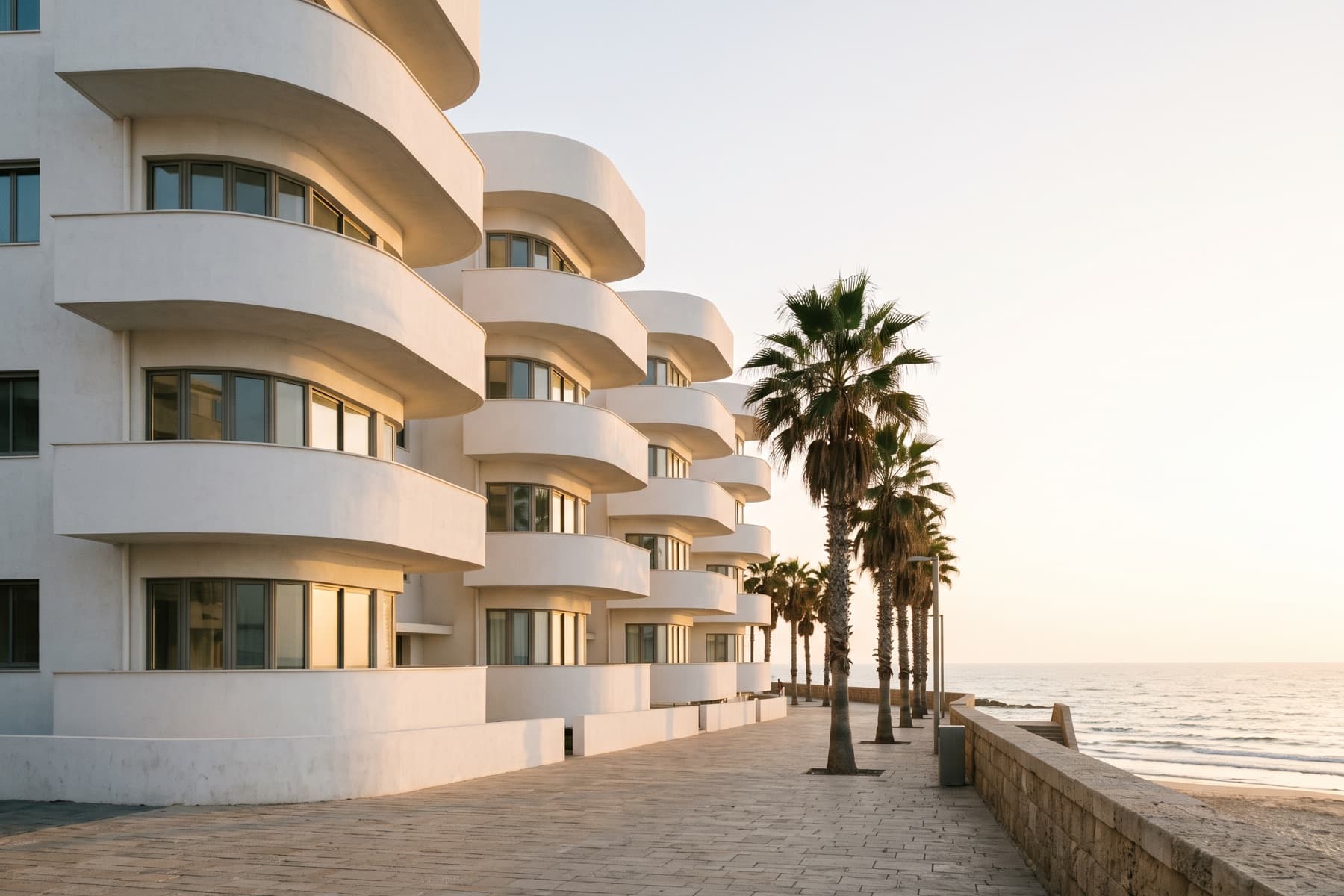
The centre of the city — Rothschild, Sheinkin, the streets around Bialik — is where conservation regulation and development pressure meet most directly. Much of the stock is Bauhaus-era and listed, and the dominant form of new supply is the preservation-plus-addition project, in which a protected facade is retained and floors are added behind and above it.
Buyers should understand what they are purchasing in these buildings. A preserved facade does not mean a preserved apartment; most of the internal fabric is new construction. Conversely, the additional floors above the original envelope are usually the most valuable units in the building, because they clear the surrounding roofline. The gap between a fifth-floor apartment and a seventh-floor apartment in the same building can be considerably wider than floor area alone would suggest.
In a preservation building, the difference between two floors can be worth more than the difference between two neighbourhoods.
The Old North
The blocks between Ben Gurion and the Yarkon river remain the city's most consistent family market. Buildings are typically three or four storeys, streets are planted, and the area is within walking distance of both the beach and Hayarkon Park. Renovation of 1950s and 1960s stock is the norm here, and the quality of those renovations varies enormously.
The specific risk to check in the Old North is TAMA 38 and pinui-binui status. A building that is mid-process, or that has a stalled agreement with a developer, carries a set of obligations and uncertainties that will not be obvious from a viewing. It is worth establishing the position before making an offer rather than after.
Park Tzameret and the tower district
Park Tzameret is the city's answer to the international luxury tower market, and it attracts a partly different buyer: overseas purchasers, second-home owners and those who want amenity and security rather than a street address. Provision varies significantly between buildings — some have genuinely staffed amenity floors, others have a card-access gym and a nominal lobby.
- Check whether amenity space is staffed or unstaffed; the difference in service charge and in daily experience is substantial.
- Establish the building's management arrangement and its reserve fund position.
- Confirm which outlooks are protected by existing planning consents and which could be built out.
- Ask how many units in the building are non-resident; this affects both atmosphere and resale liquidity.
The seafront line
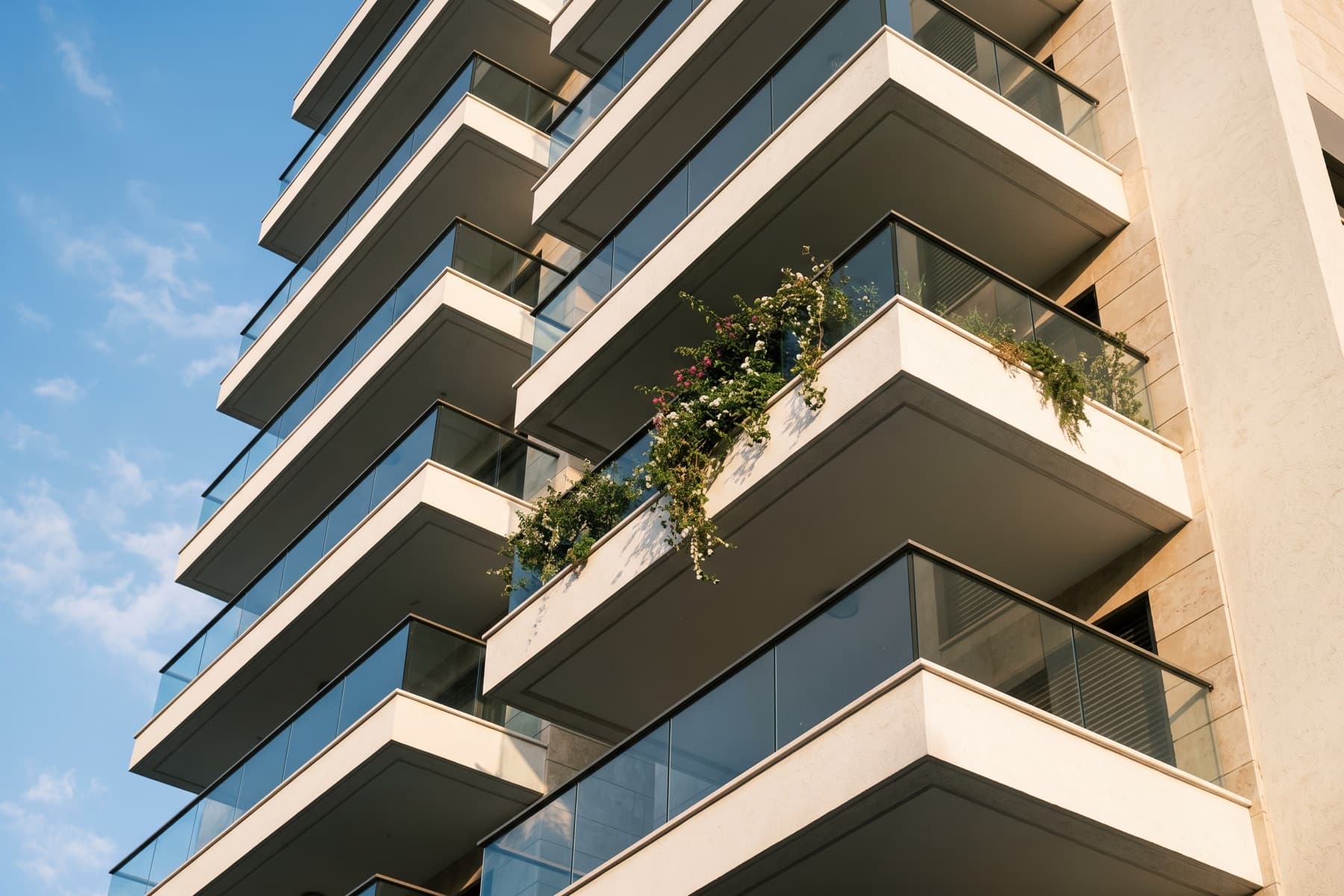
Hayarkon Street and the buildings immediately behind it constitute their own market, priced almost entirely on outlook. An unobstructed west-facing view carries a premium that has proved durable through several cycles, and buyers pay it because the supply of such views is physically fixed.
The counterweight is noise and, on the promenade, footfall. Acoustic glazing specification matters here more than anywhere else in the city, and it is worth visiting a seafront apartment on a Friday afternoon in summer rather than a Tuesday morning in February.
Ramat Aviv
North of the Yarkon, Ramat Aviv operates on a longer time horizon than the rest of the city. Owner-occupation is high, turnover is low, and the market is anchored by schools and by the university. Garden apartments and low buildings dominate. Buyers here are rarely trading in and out; they tend to arrive and stay, which keeps volumes thin and pricing stable.
How to use this
The useful question is not which neighbourhood is best but which market matches the way you intend to hold the asset. A buyer who expects to sell within five years should think carefully before buying into a thin, low-turnover market. A buyer who wants a house they will keep for thirty years should probably not optimise for liquidity at all.
If you would like to discuss which of these markets fits your position, we are glad to have that conversation without any expectation attached to it.
Filed under
- Tel Aviv
- Neighbourhoods
- Buying