Most of the value an agent adds to a sale is added before the property is ever advertised. By the time a listing is live, the price has been set, the photography has been taken, the narrative has been fixed and the launch sequence has been decided. Those four decisions largely determine the outcome. Everything afterwards is execution.
This is an account of how we approach that preparation period, which for a significant property typically runs to four to six weeks.
Start with what the property actually is
Before any decision about presentation, we establish what is genuinely distinctive about the property and what is merely present. A sea view is distinctive. Three bathrooms are present. A protected northern outlook that cannot be built out is distinctive; underfloor heating is present. This sounds obvious, and yet a great deal of premium property marketing consists of listing features that every comparable property also has.
The distinguishing characteristics become the spine of the presentation. Everything else is supporting detail, and it is treated as such — recorded accurately in the specification, but not asked to do work it cannot do.
A great deal of premium property marketing consists of listing features that every comparable property also has.
Preparation of the property itself
The objective is not to stage the property into something it is not. It is to remove everything that prevents a buyer from reading its architecture. In practice this means a small number of interventions with disproportionate effect:
- Reduce, rather than add. Most rooms photograph and show better with fewer objects in them, and the reduction should extend to art and to soft furnishings, not only to clutter.
- Correct anything that reads as deferred maintenance. A cracked tile or a failed seal invites a buyer to wonder what else has been left.
- Resolve lighting before photography. Replacing mismatched bulbs with a single consistent colour temperature costs very little and changes every photograph in the set.
- Deal with the entrance sequence. The approach, the door and the first three metres inside carry disproportionate weight in how a viewing is remembered.
- Have the paperwork complete and available: permits, Tabu extract, building plans, management company details, service charge history.
Photography is a scheduling problem
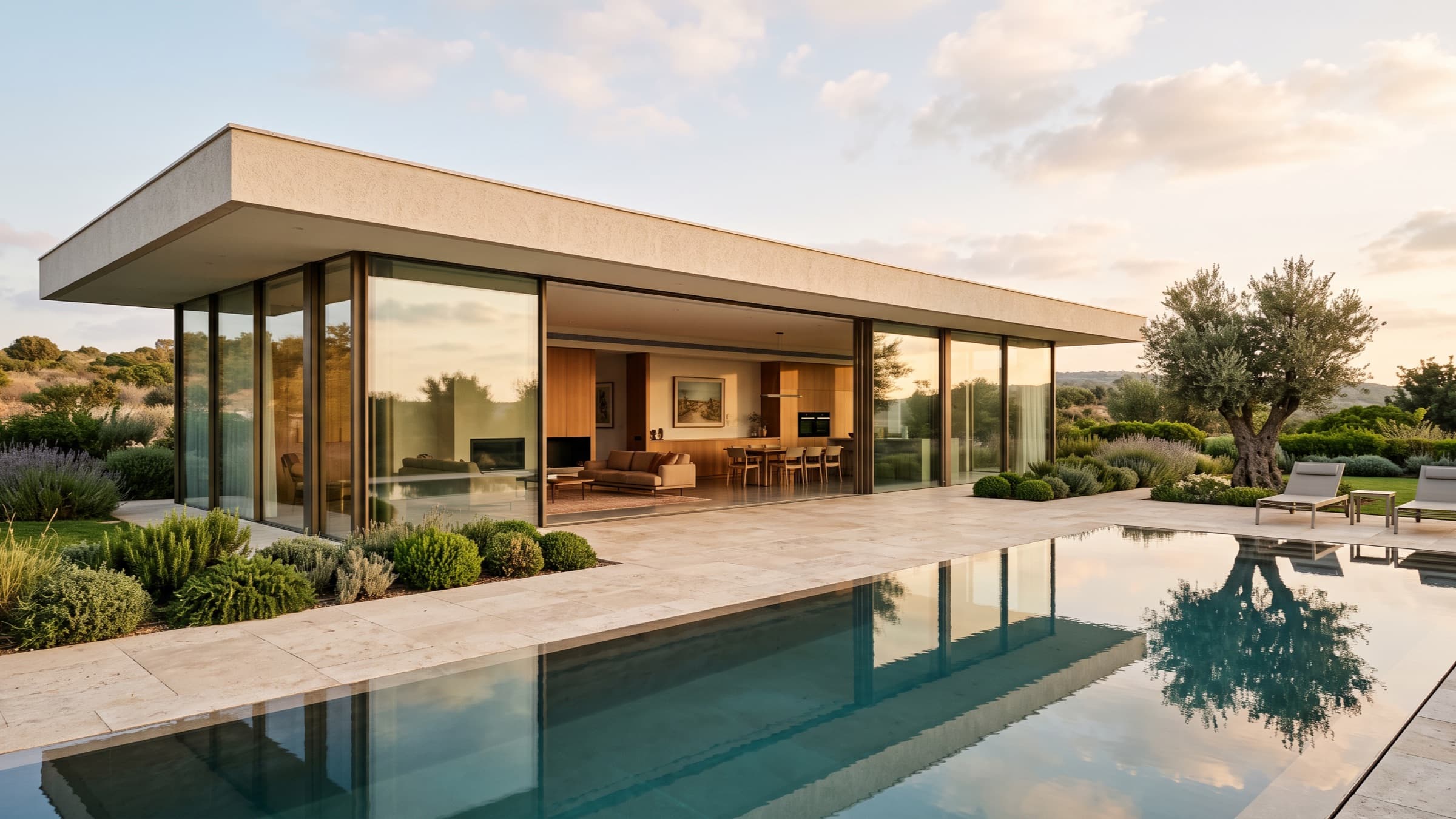
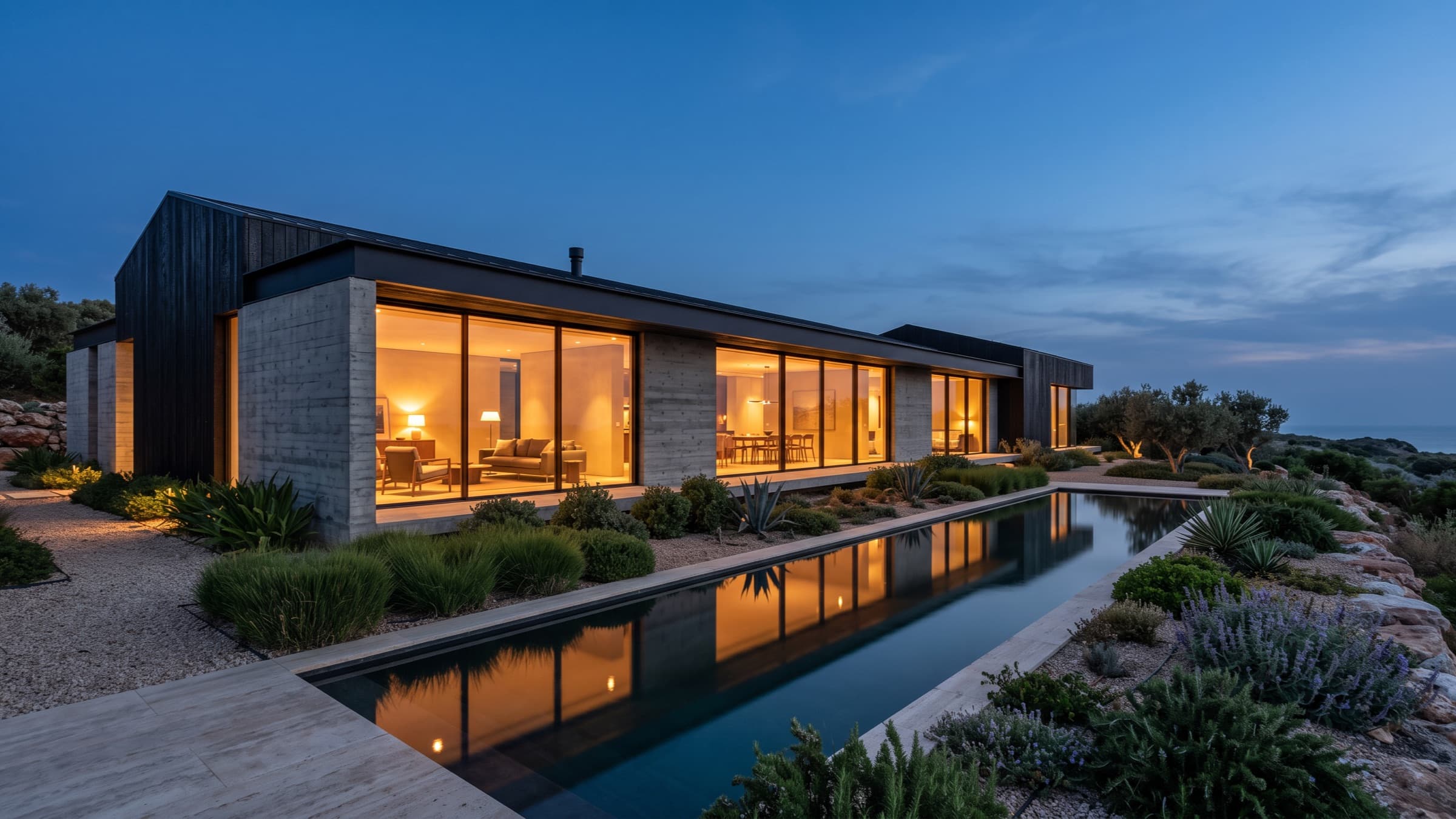
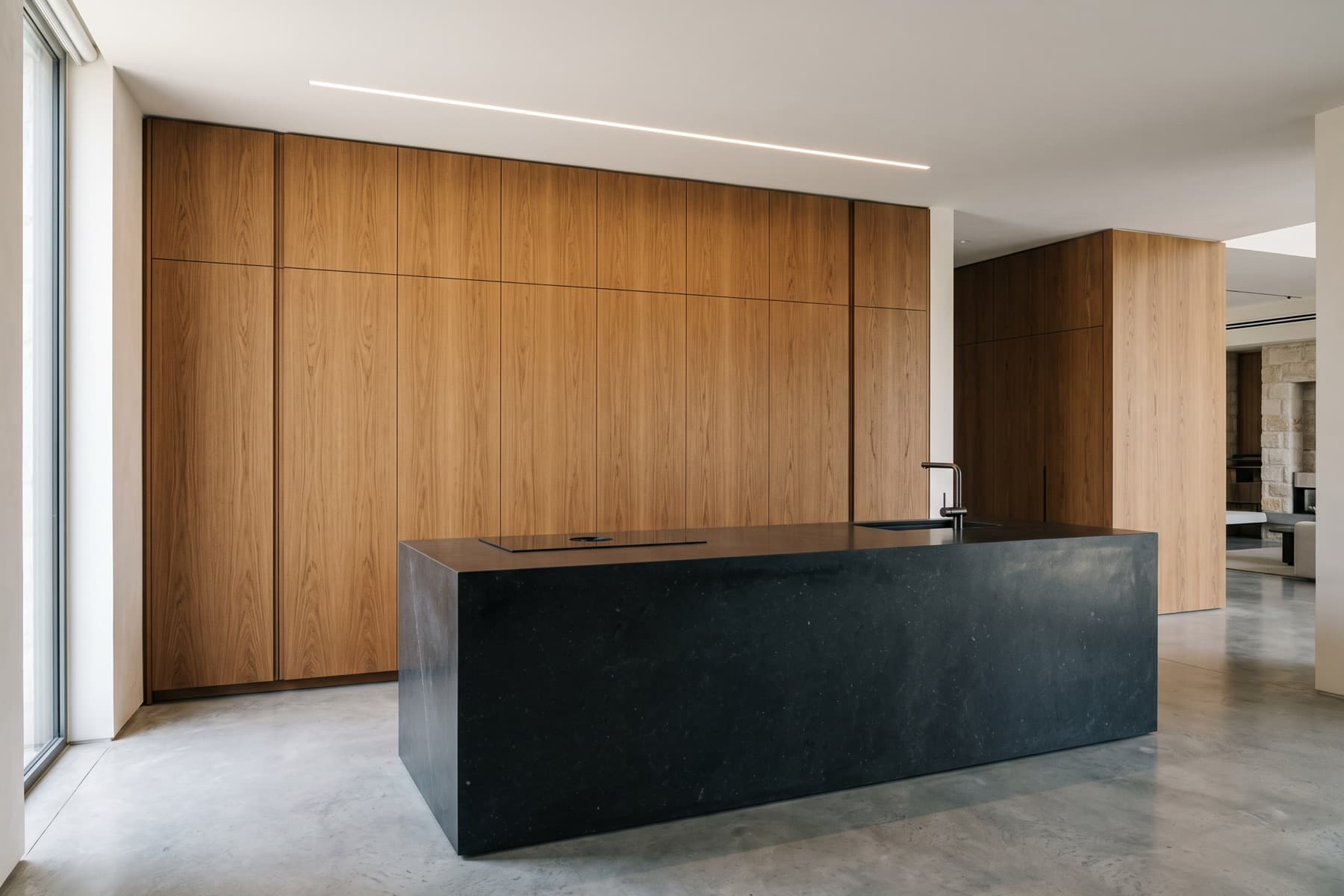
Good property photography is mostly a matter of shooting each space at the hour when it is at its best, which means a single property may need two or three separate visits. A west-facing terrace and an east-facing bedroom cannot both be photographed well at the same time of day. Attempting to shoot an entire house in one three-hour block is the most common and most expensive false economy in the process.
We also shoot fewer images than most agents and publish fewer still. A set of twelve strong photographs outperforms a set of thirty in which eight are strong, because the weak images set the buyer's expectation for the viewing.
Pricing: the first three weeks are the asset
A property receives its most concentrated attention in the first three weeks after launch. That window is finite and it cannot be recreated. A price that is materially above the market spends the window generating no offers, and the property then carries a visible time-on-market signal into every subsequent negotiation.
This does not mean pricing conservatively. It means pricing at a level the evidence will support, so that the launch window produces real engagement, and then negotiating from a position of demonstrated interest rather than from an asking price no one has tested.
Sequencing the launch
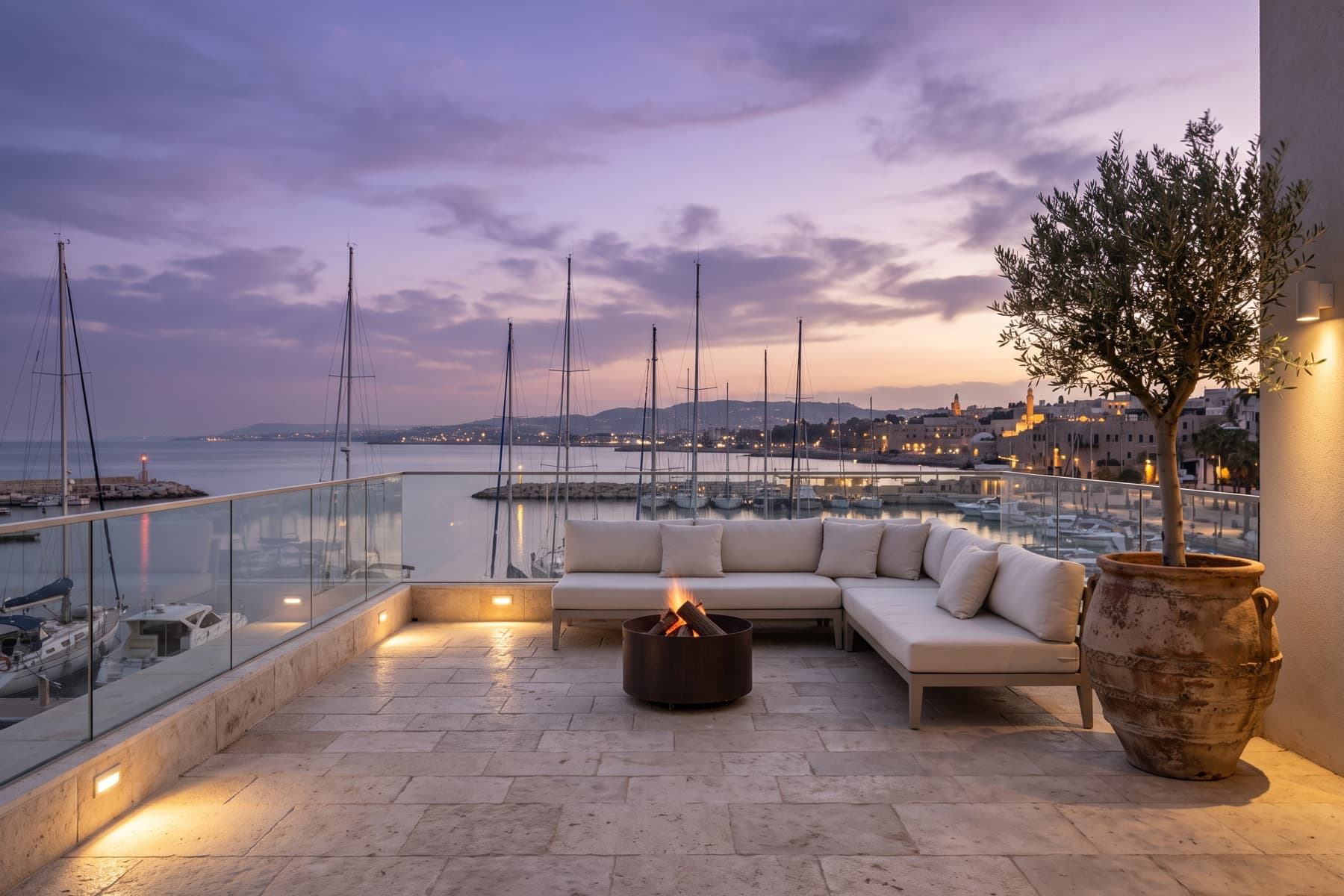
For properties above a certain level we generally run a quiet phase before public marketing — a period in which the property is shown to a defined list of qualified buyers and to a small number of trusted agents. This is not a device to create artificial scarcity. It exists because a significant proportion of buyers at this level are not searching portals, and reaching them requires a direct approach.
If the quiet phase produces a serious buyer, the sale completes discreetly and quickly. If it does not, it has cost nothing and the public launch proceeds with the property fully prepared and with useful feedback already gathered.
What this adds up to
None of this is complicated. It is simply a matter of doing the preparatory work properly rather than moving quickly to advertisement. The difference it makes is not marginal, and it is most pronounced precisely in the market where the buyer pool is smallest and each individual buyer matters most.
If you are considering a sale and would like a candid assessment of where your property sits, we are happy to provide one.
Filed under
- Selling
- Marketing
- Preparation